Written by Tanya — Yoga Alliance RYS 200 (ID 252157), trained at Devvrat Yoga School, Varkala, India (December 2025). Tanya teaches Hatha and Yin yoga at Your Ritual Yoga in Golders Green, NW11.
Finding the best yoga studios in North London is not a question with a single answer. The right studio depends entirely on what you are looking for — whether that is intensity, community, price, class size, style, or the way a space makes you feel when you walk through the door.
North London has a wide and varied yoga scene. There are high-volume chains offering drop-in classes at low price points, boutique studios with strong aesthetic identities, intimate independent spaces where the teacher knows your name, and everything in between. Navigating this without spending weeks and a small fortune trying each one requires knowing your own criteria first.
This shortlist organises North London yoga by what it does best, rather than by a single ranked order. The idea is to help you identify which category fits your practice, then direct you towards a starting point.
1. What ‘Best’ Actually Means for Your Practice
Before listing studios, it is worth naming the five criteria that most often separate a good fit from a poor one.
Five Criteria to Use When Shortlisting
1. Style — Are you looking for a dynamic, physically demanding practice (Vinyasa, Ashtanga, hot yoga)? A slower, more meditative approach (Hatha, Yin, restorative)? A blend? Starting from style narrows the field quickly.
2. Class size — The experience in a room of 5 students is categorically different from the experience in a room of 40. In a small class, the teacher can offer individual adjustments, notice if you are struggling, and pace the session to the group. In a large class, you are largely self-directed. Neither is wrong, but they serve different needs.
3. Price — Drop-in rates in North London range from around £12 to £25 or more. Monthly memberships at chains can be more economical if you practise frequently. Independent studios often offer packages that bring the per-class cost down significantly.
4. Proximity and schedule — A studio fifteen minutes from your home that runs classes at times you can actually attend is worth more than a perfect studio an hour away or one with a schedule that never aligns with your own.
5. Atmosphere — Some students thrive in a buzzy, social, high-energy studio environment. Others need quiet, warmth, and minimal stimulation to settle into practice. Visiting a studio once, even for a free or introductory class, tells you more about atmosphere than any description.
Studio Etiquette Differs by Style
One practical note: etiquette norms vary significantly across styles. In hot yoga studios, arriving early to claim a mat space is expected; in Yin or restorative spaces, the expectation is often silence from arrival. In large chain studios, a degree of anonymity is normal; in small independent spaces, it is usually customary to introduce yourself if you are new. Knowing this in advance prevents the awkwardness of misaligned expectations.
2. Best for Slow, Ritual-Led Practice
Your Ritual Yoga — Golders Green, NW11
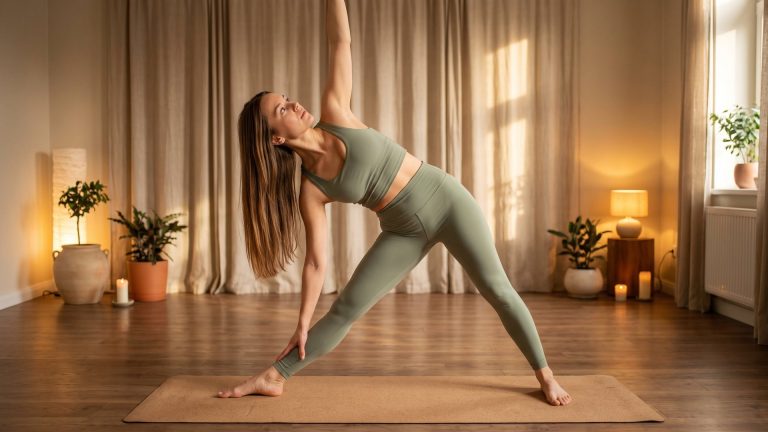
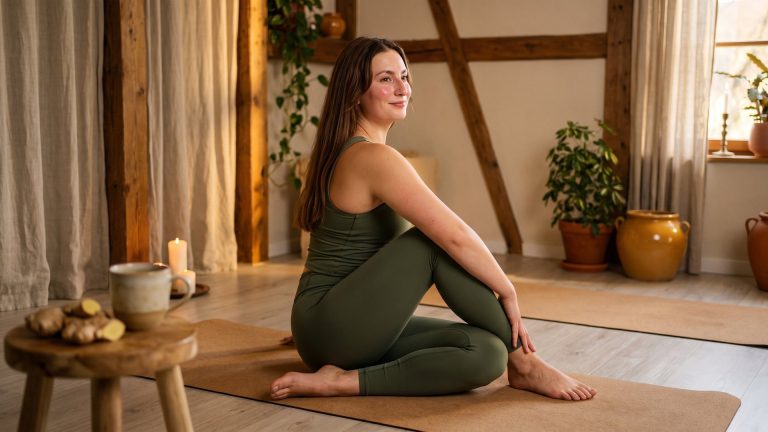
A small, intimate studio teaching Hatha Yoga (60 minutes) and Yin Yoga (75 minutes) in classes where the experience is as important as the postures. Every class includes breathwork (pranayama), mantras, sound healing with Himalayan singing bowls during Shavasana, and a post-class herbal tea ritual.
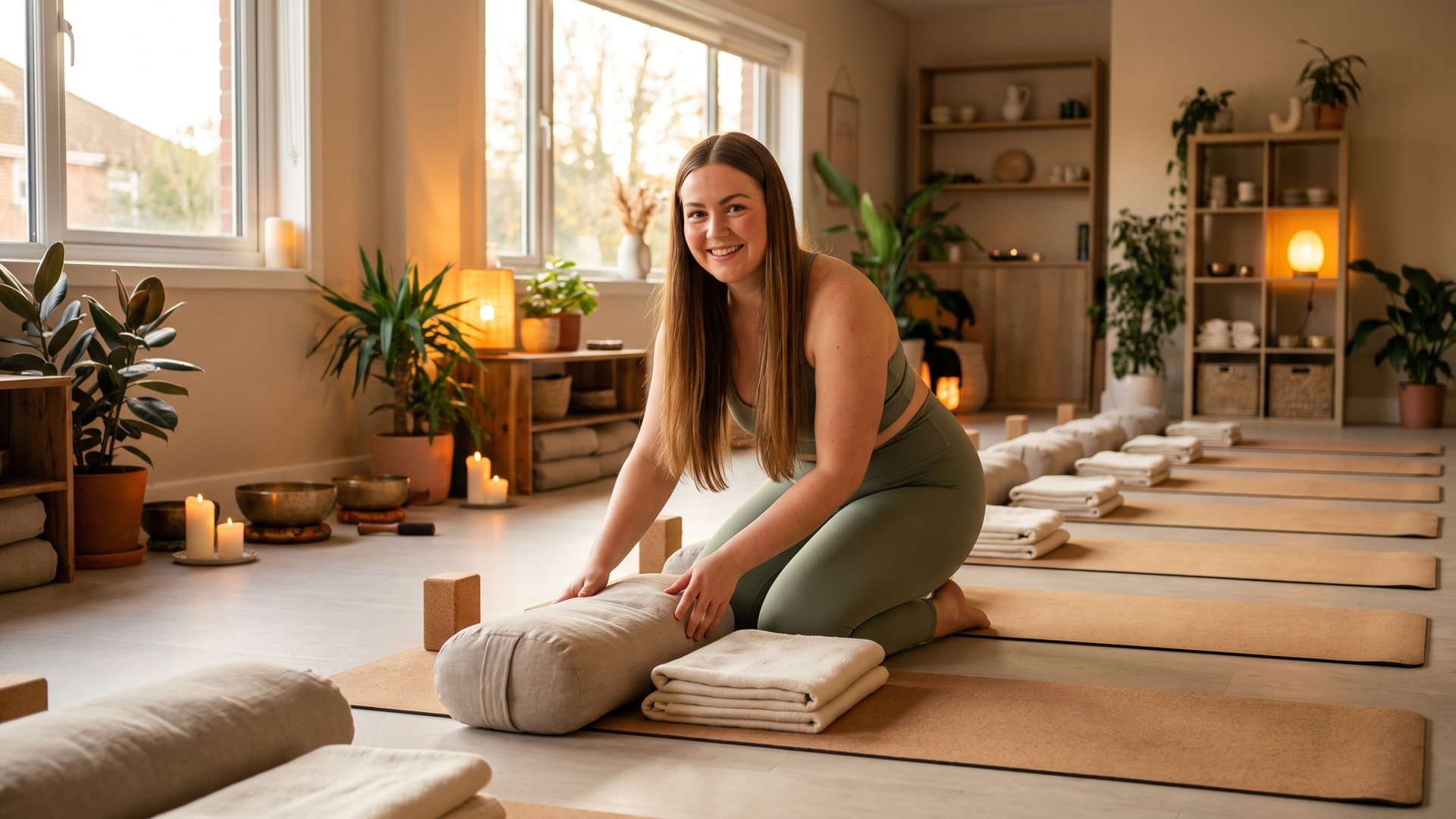
The class sizes are deliberately small — this is a studio where students are known by name, where personal attention is part of the design, and where the atmosphere (warm lighting, natural materials, near-silence) is tended as carefully as the sequencing.
Taught by Tanya, a Yoga Alliance RYS 200 certified instructor trained at Devvrat Yoga School in Varkala, India, the studio is aimed specifically at busy, tense, overthinking Londoners who need permission to slow down — not another fitness target to chase.
Pricing: £17 drop-in / £119 for 8 classes / £180 for 12 classes. Full details at Your Ritual Yoga. The Ritual Experience page explains what makes each class different from a standard yoga offering.
What it’s best for: students seeking genuine restoration, nervous-system support, stress relief, and a practice with a sense of ritual and meaning.
3. Best for Hot and Fitness-Led Yoga
Fierce Grace Finchley — Finchley area
Fierce Grace is one of London’s best-known hot yoga brands, with a well-established following and a rigorous teaching methodology. Their Finchley location offers the full range of Fierce Grace styles — from the entry-level “Chi” class through to the more demanding “Fix” and “Wild” formats — all practised in a heated room.
The studios are clean, professionally managed, and the teaching quality is consistently high. If you are an experienced practitioner looking for a physically demanding practice, a hot environment, or the measurable intensity that a large dedicated studio can provide, Fierce Grace is a serious option.
What it’s best for: physically active practitioners, those who respond well to heat and intensity, students who already have an established practice.
MoreYoga — Finchley and various North London locations
MoreYoga is a chain model that prioritises accessibility: monthly memberships at competitive price points, a wide range of class styles, and multiple locations across North London. For students who want flexibility, volume, and value, MoreYoga offers a practical solution.
The trade-off is that classes tend to be larger, the teaching experience varies by instructor, and the atmosphere is more functional than intimate. For regular practitioners who are self-directed and know what they are doing, this is often a good fit.
What it’s best for: frequent practitioners who prioritise flexibility and value, or those who want to sample many styles.
4. Best for Sound Healing
Your Ritual Yoga — Golders Green, NW11
For students specifically seeking sound healing integrated into yoga practice, Your Ritual Yoga builds it into every single class — not as an occasional add-on, but as a structural part of the Shavasana experience. Himalayan singing bowls produce frequencies that many students describe as deeply settling, creating a transition from the physical practice into genuine rest.
The advantage of this model over standalone sound baths is that the body has already been prepared through the yoga practice — the nervous system has moved through activation, breath work, and stillness before the sound healing begins. This layered approach tends to produce a deeper response than sound alone.
For dedicated standalone sound bath experiences, it is worth searching for specialist sound healing practitioners in the Camden, Muswell Hill, and Highgate areas, which have a concentration of independent wellness practitioners offering this format.
Visit the Ritual Experience page for more detail on how the sound healing at Your Ritual Yoga works.
What it’s best for: students interested in sound healing, vibrational therapy, or deeply restorative class endings.
5. Best for Beginners
For complete beginners, the most important criteria are not style or price — they are safety and welcome. You need a teacher who will notice if you are struggling, a class small enough that you can ask questions, and an atmosphere that does not assume you already know what Downward Dog means.
Your Ritual Yoga — Golders Green, NW11
All classes at Your Ritual Yoga are explicitly all-levels, and the small class size means Tanya can attend to every student individually. Beginners are welcomed without the assumption that they should already be flexible, experienced, or familiar with Sanskrit terminology. The pace of Hatha and Yin classes means there is time to find each pose carefully and breathe into it properly.
Smaller independent studios generally
Regardless of location, a smaller independent studio tends to be a safer and more supported environment for beginners than a large chain class with 30+ students. The teacher in a small class can see you. In a large class, you are largely responsible for your own alignment — which is a significant ask when you are still learning what correct alignment feels like.
What it’s best for: anyone who is new to yoga, returning after a long break, or who wants attentive, individualised guidance while learning.
6. Best for Private and 1-on-1 Work
Your Ritual Yoga — Personal Training
For students who need a practice tailored entirely to their own body, history, and goals, Tanya offers personal training by appointment. This is particularly suited to students managing injury, chronic pain, significant anxiety, trauma, sleep disorders, or high performance demands — anyone for whom a general group class cannot adequately address their specific needs.
One-on-one yoga sessions allow the teacher to assess your patterns in detail, adapt every element of the practice for your body, and build a programme that progresses with you over time. This is fundamentally different from a group class, however small — it is the difference between a tailored suit and a well-made one off the rack.
More information is on the personal training page.
What it’s best for: injury rehabilitation, anxiety support, students with specific postural or health considerations, and those who want maximum impact from minimum time.
7. How to Choose in 7 Days
Rather than researching indefinitely, a simple seven-day approach tends to produce a clear answer:
Day 1 — identify your primary need. Is it stress relief, physical fitness, flexibility, sleep support, community, or something else? Write it down.
Day 2–3 — using that primary need, identify which style category fits. Stress and sleep tend towards Yin and restorative. Physical fitness and intensity tend towards hot yoga or Vinyasa. Balance and nervous-system support tend towards Hatha.
Day 4 — look at geography and schedule. Which studios are genuinely accessible to you at the times you can realistically attend?
Day 5 — check introductory offers. Most studios (including Your Ritual Yoga) offer a first class at a reduced rate or as part of a trial package. Use this to visit without full financial commitment.
Day 6–7 — attend one class at the studio that best fits your criteria. Pay attention to how the space makes you feel when you walk in, not just how the class feels during practice. The environment — warmth, cleanliness, the welcome at the door — is often the deciding factor that reviews do not capture.
Frequently Asked Questions
Q: Is there a free trial class at any North London studios?
A: Offers vary by studio and change over time. Your Ritual Yoga occasionally runs free taster events — check the website or Instagram (@yourritualyoga) for current information. Most studios offer a discounted introductory class.
Q: I’m a complete beginner — which studio do I visit first?
A: A small independent studio with explicitly all-levels classes is the most supportive environment for a first class. Your Ritual Yoga’s Hatha and Yin classes are all-levels, small, and paced for students who are new to yoga.
Q: Are there studios in NW11 specifically?
A: Your Ritual Yoga is based in Golders Green, NW11. For other studios in and around the NW11 postcode, a Google Maps search for “yoga studios NW11” will show current options, as studio openings and closures shift over time.
Q: How often should I go to yield real benefits?
A: One class per week produces noticeable change over four to six weeks. Two classes per week produces faster and more sustained results. More than three classes per week, for most beginners, can be challenging to sustain and risks fatigue before the habit is properly formed.
Curious about the small Golders Green studio? Visit Your Ritual Yoga to see the full offer, or explore the Ritual Experience to understand what makes each class different.
About the author
Tanya is a Yoga Alliance RYS 200 certified yoga teacher (ID 252157), trained at Devvrat Yoga School in Varkala, India (December 2025). She teaches Hatha and Yin yoga at Your Ritual Yoga in Golders Green, NW11 — a small, intentional studio where every class includes sound healing with Himalayan singing bowls and a post-class herbal tea ritual. www.ritual-yoga.co.uk